


July 17, 2026
AI for Health
AI for Health
The Issue

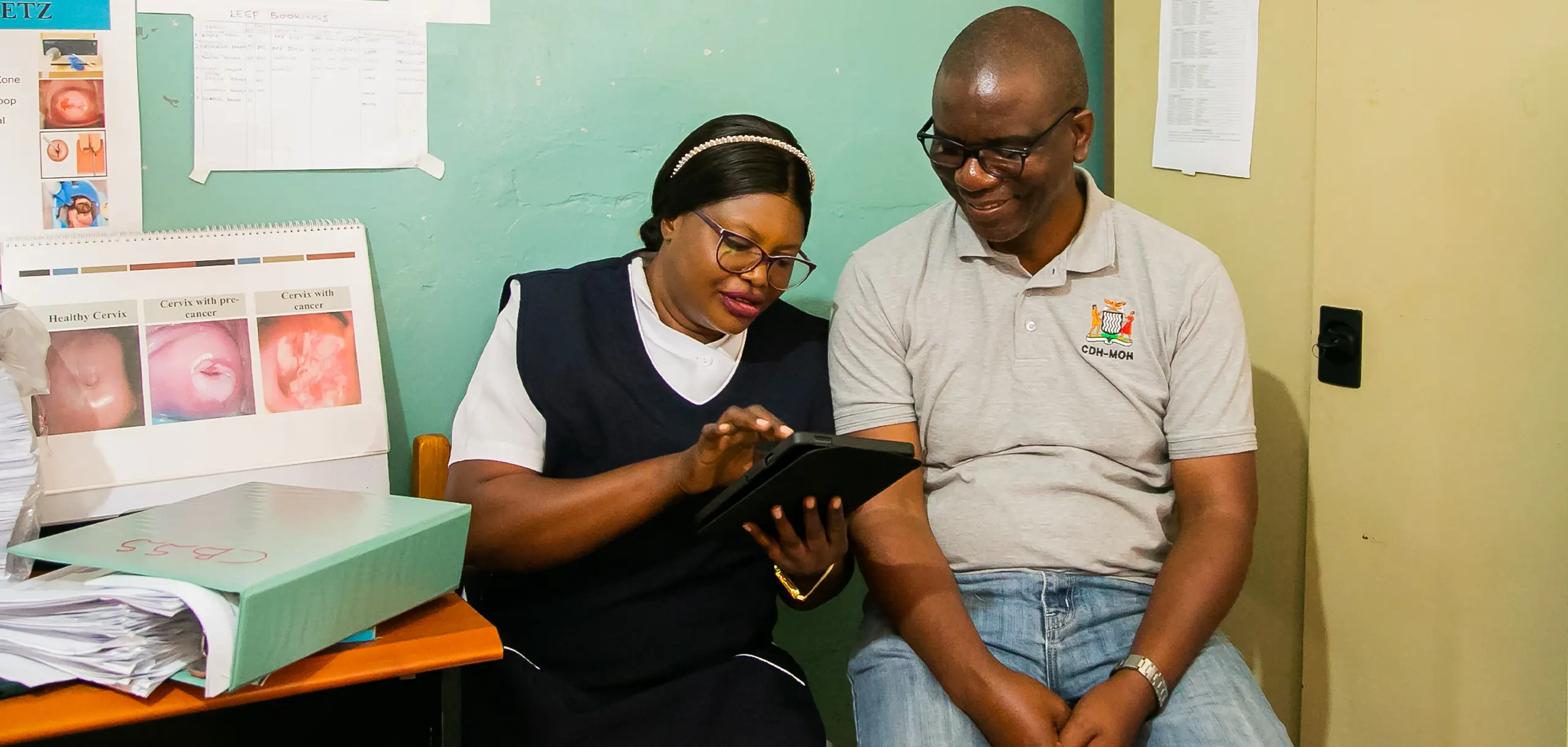
Health systems in low- and middle-income countries have long been built around the fundamental constraint that expert human capital is scarce. Trained clinicians, medical imaging professionals, and health system managers are scarce, expensive, and slow to produce. As a result, access to quality care remains deeply unequal: many patients travel hours to reach a health facility, diagnostic capacity is limited, and health systems often lack the data they need to plan and respond effectively. The consequences are severe. Quality gaps of many kinds—including diagnostic and workforce gaps—contribute to an estimated five million deaths each year in low- and middle-income countries. AI can help close the subset of that gap tied to diagnostic accuracy and clinical decision support.
For the first time, AI tools exist that can support frontline workers to diagnose more accurately, help governments manage their health systems more effectively, and bring a level of clinical intelligence support that was previously available only in well-resourced settings. But without deliberate action, these tools risk following the same pattern as earlier health innovations, which took decades to reach the people who need them in Africa and parts of Asia. CHAI’s program exists to make sure that doesn’t happen with AI.
CHAI’s Approach
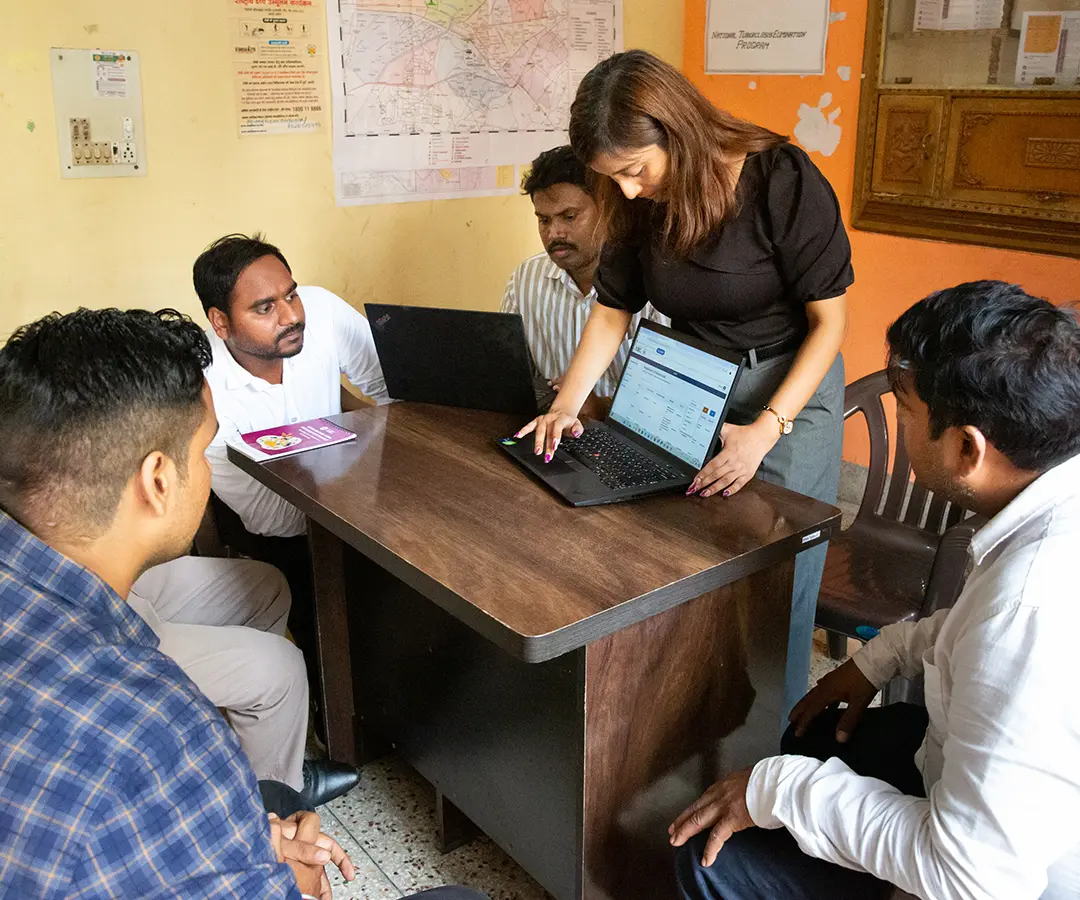
The next decade of progress in global health will be shaped in part by how quickly countries can put artificial intelligence to work in their health systems. Low– and middle-income countries do not have to inherit the health systems that high-income countries built. They have the opportunity to create something better, designing AI-powered health systems from the ground up, shaped by local priorities, data, and clinical realities rather than waiting for finished products to arrive from elsewhere.
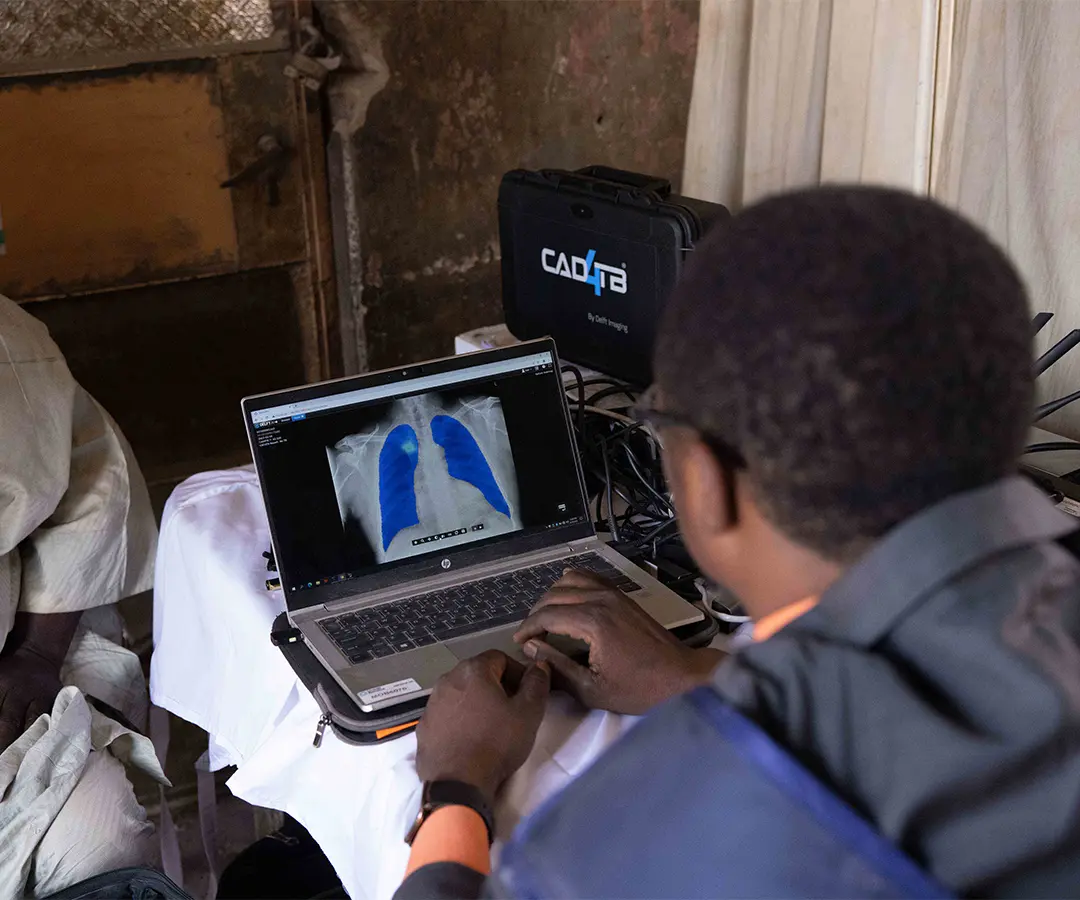
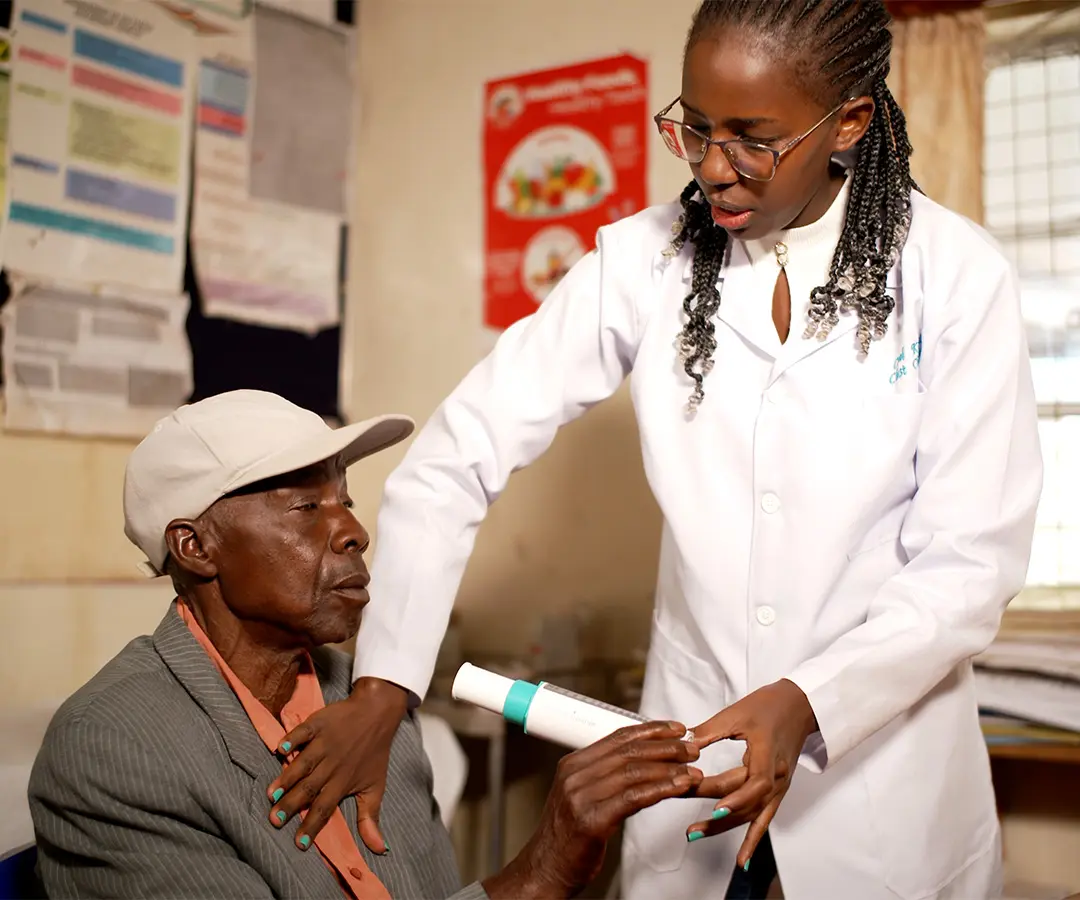
We launched our AI program to deepen and coordinate this work, bringing together efforts across three pillars: an ‘AI doctor for all’ to expand access to world-class clinical intelligence so health workers can diagnose and treat more effectively; AI diagnostics across radiology, ultrasound, smartphone sensors, and more to expand what is detectable in low-resource settings; and national health intelligence centers that turn data into better health system planning, surveillance, and performance. Underpinning all three is the practical work of making AI deployment safe and sustainable, and building the AI foundations (workforce, governance, and physical infrastructure) that governments need so that AI can drive better health outcomes.
Our Work

Join Our Team
CHAI is looking for dynamic and self-motivated individuals who are committed to strengthening health systems around the world and expanding access to care and treatment of HIV/AIDS, malaria, and other illnesses.