


Resource Center
Resource Center
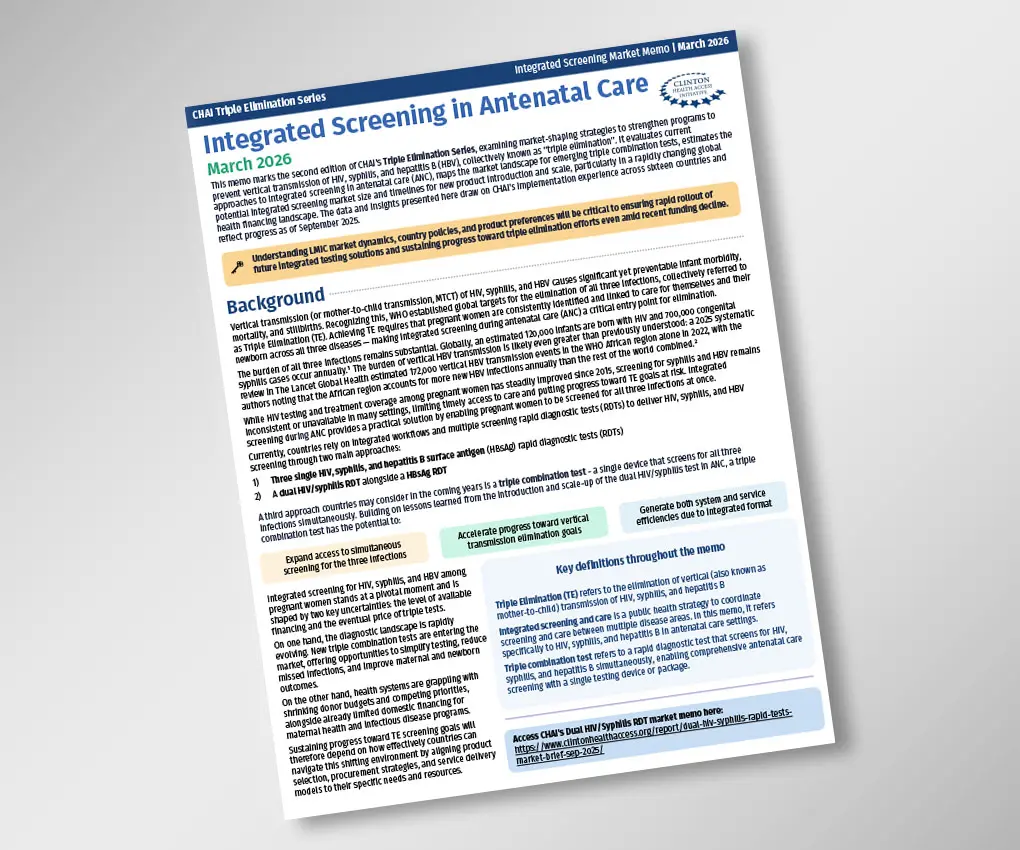
CHAI's latest market memo examines integrated HIV, syphilis, and hepatitis B screening in antenatal care across 16 countries and what it means for triple elimination.
Read more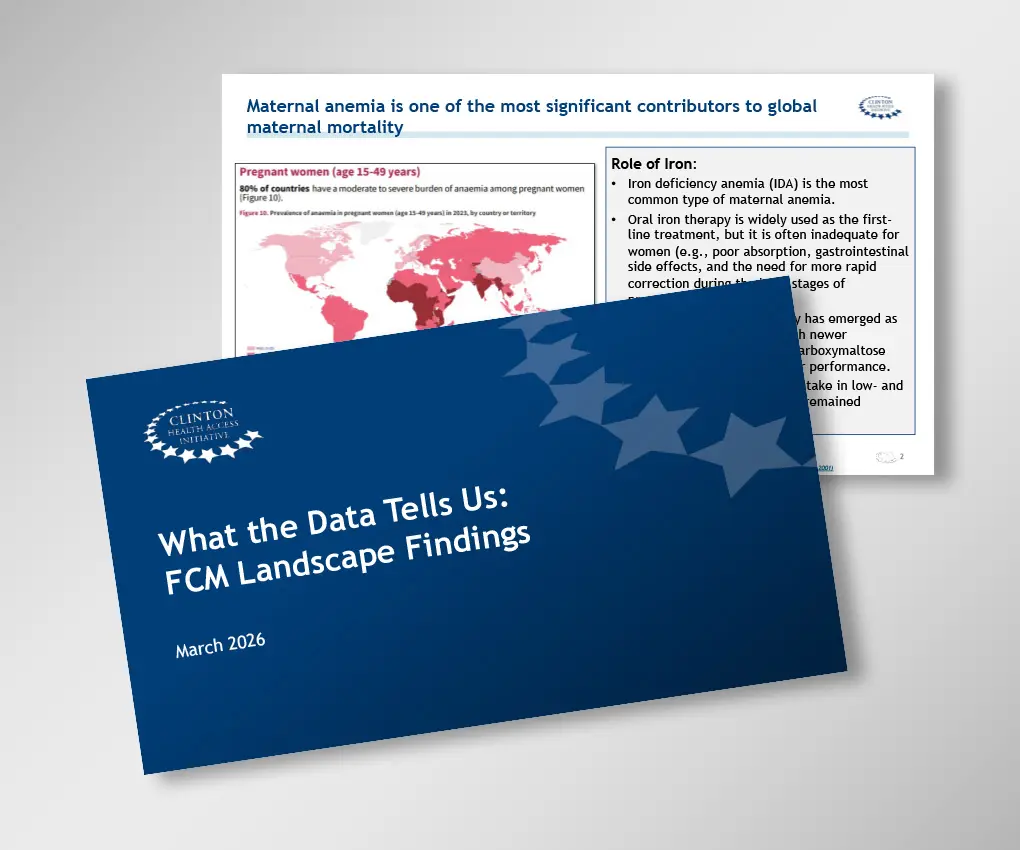
Ferric carboxymaltose (FCM) outperforms standard oral iron for anemia in pregnancy but remains out of reach for most women in low- and middle-income countries. CHAI's 15-country landscape report maps why, and what it will take to change it.
Read more
Kenya and Nigeria are proving that integrated TB screening finds more cases, treats faster, and reaches communities that standard approaches consistently miss.
Read more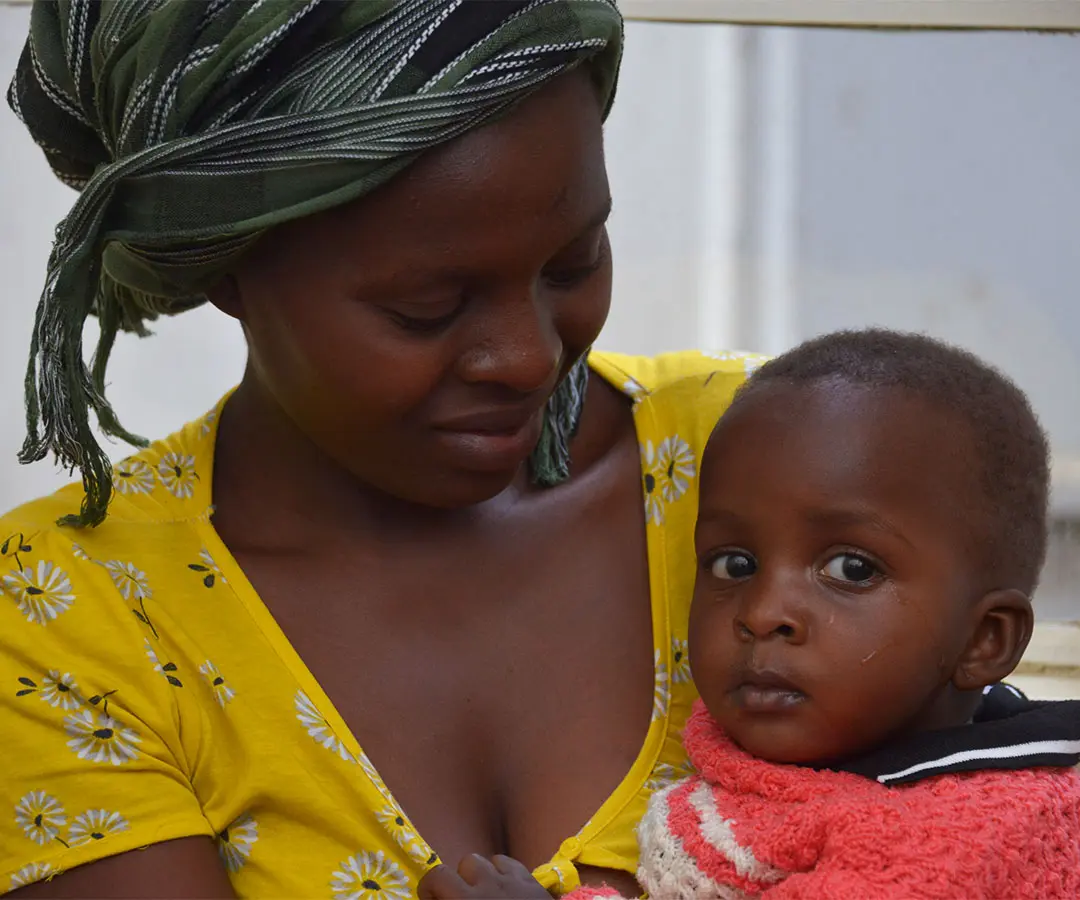
New SUPREME initiative pairs Unitaid funding with CHAI and Amref expertise to tackle preeclampsia and anemia across seven African countries.
Read more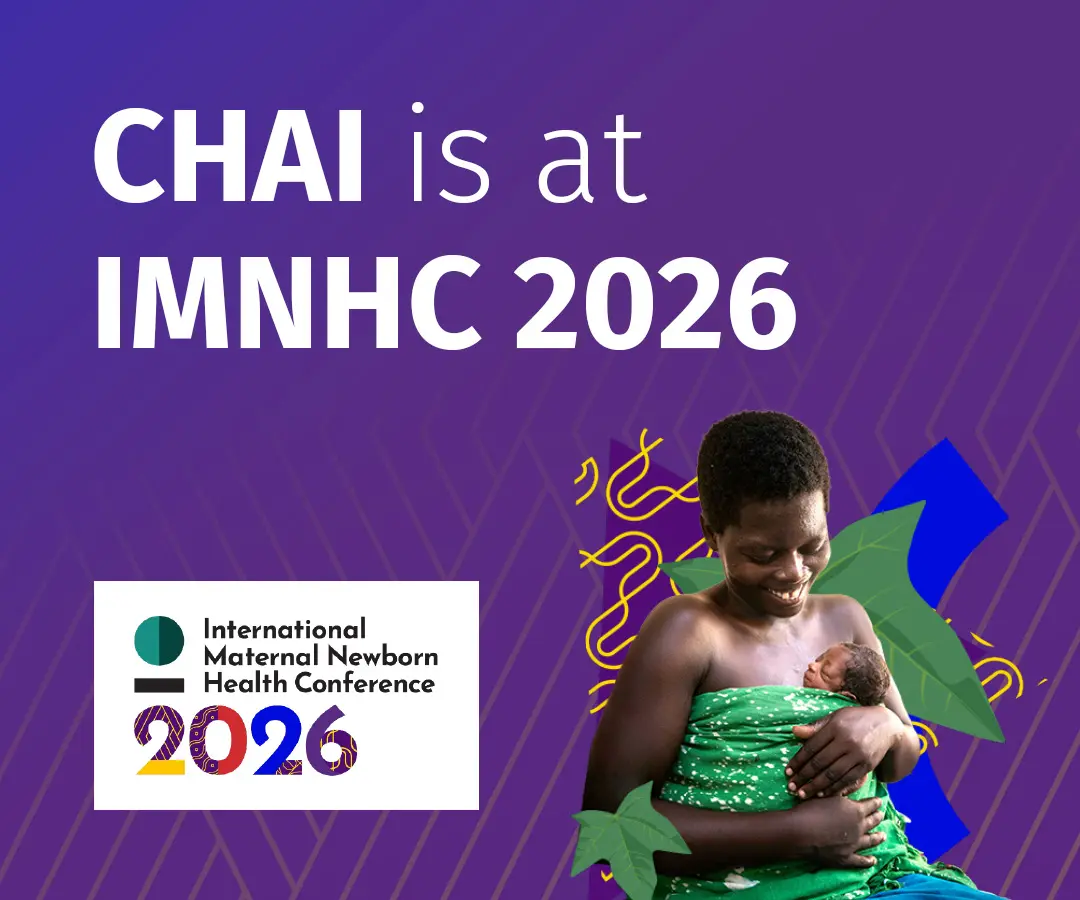
The current list of sessions CHAI will participate in at International Maternal Newborn Health Conference (IMNHC) 2026, taking place in Nairobi, Kenya, from March 23 to 26, 2026.
Read more
Twenty years ago, the experts said it couldn’t be done. Treating HIV in low-income countries was too expensive, too complicated. CHAI believed otherwise—and got to work.
Read more
Jigi Bola 2.0 demonstrates an integrated primary healthcare model that delivers results at scale.
Read more
The Clinton Health Access Initiative (CHAI) is pleased to announce the appointment of Jake Calhoun as Chief Financial Officer (CFO). He is based in Washington, DC and will oversee CHAI's global finance strategy and global financial operations.
Read more
View the Clinton Health Access Initiative, Inc. and Subsidiaries’ 2024 Consolidated Financial Statements.
Read more