Mujawase Salima watched her six-year old son, Niyonzima Jiblille, struggle with developmental delays. Unlike other children his age, he wasn’t walking well, couldn’t grasp objects, and had trouble eating. “I used to worry constantly and felt helpless, unsure of how to support him.”
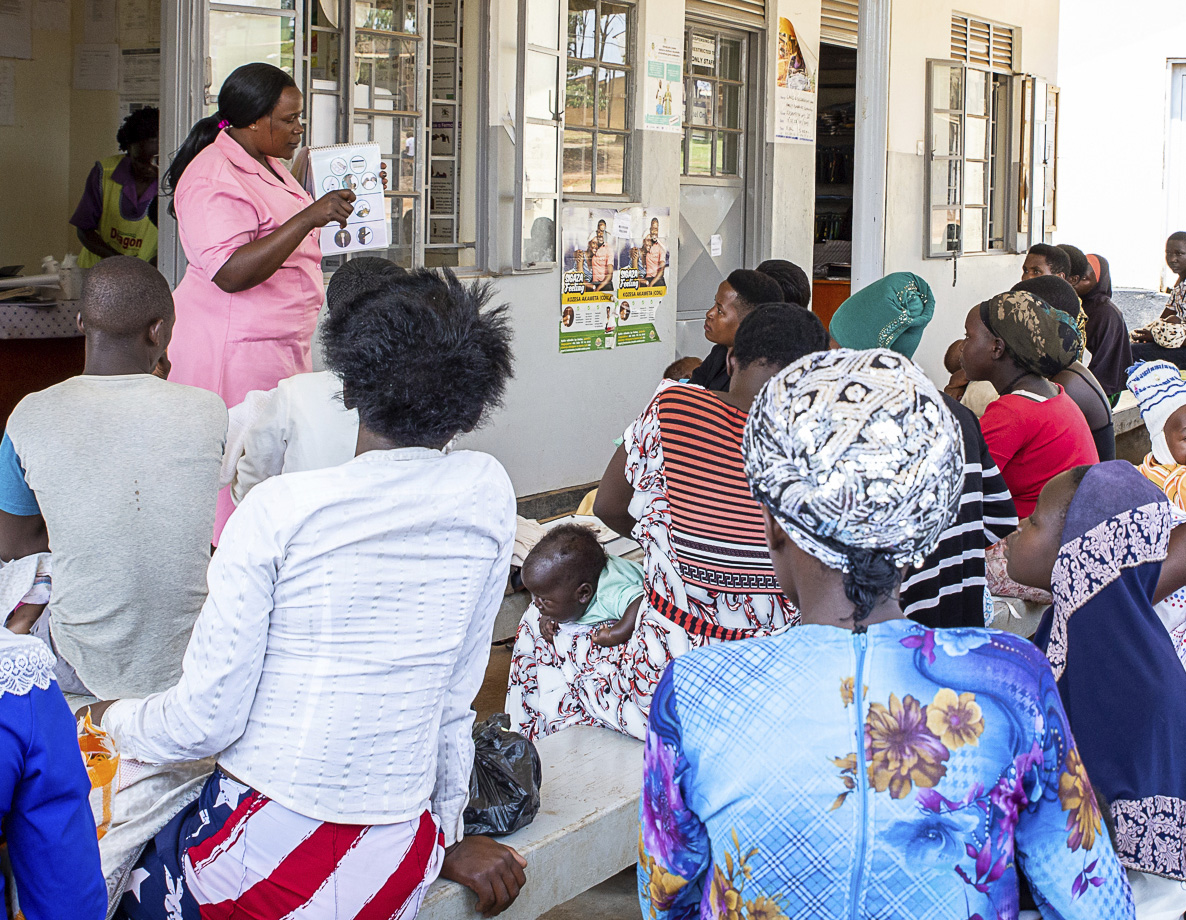
That changed when Mujawase joined Baby Ubuntu, a caregiver support group for parents of children with disabilities at her local health center in Rwanda’s Gatsibo district. Through hands-on sessions, she learned to turn playtime into therapy for her child with developmental disabilities.
“I used music to encourage him to take small steps, and he began to respond to the rhythm. Over time, he started to move more confidently.”
Supporting caregivers of children with disabilities
More than 200 million children in low- and middle-income countries are growing up with developmental disabilities. Stigma and isolation often cut these families off from the services and communities that could help their children develop.
CHAI is partnering with governments in Rwanda and Nigeria to expand community-led caregiver support groups—bringing practical training, emotional support, and peer networks directly to families of children with disabilities. Research shows these caregiver interventions improve outcomes for both children and parents.
Rwanda’s Baby Ubuntu program
Baby Ubuntu offers a six-month early intervention program for caregivers of children under two with developmental disabilities. Led by health workers and expert parents, twice-monthly sessions cover feeding techniques, positioning, communication strategies, and inclusive play using locally made toys.
One mother described how disability support helped her daughter regain movement in a paralyzed hand. “Eventually—something I never imagined—she was able to carry a two-liter Jerry can on her own.”
Since August 2024, Baby Ubuntu caregiver training has reached 19 health facilities in Rwanda. More than 300 caregivers have graduated, and lessons are being incorporated into Rwanda’s national early childhood development plan.
Nigeria’s peer-to-peer caregiver network
Building on Rwanda’s success, CHAI launched a peer-led Caregiver Support Network in Nigeria’s Lagos and Kaduna states. Fifty trained cluster leaders—all caregivers themselves—mentor others through biweekly sessions covering psychosocial support, basic infant physiotherapy, and daily stimulation strategies.
In three months, this community-based support model has reached over 600 participants, connecting families in remote areas to health facilities and disability services for the first time.
From isolation to empowerment
Caregivers in both countries describe transformation from fear to confidence.
“Parents began to open up, share their experiences and embrace the fact that their child’s condition was not their fault,” shared one Baby Ubuntu trainer. “This emotional breakthrough has been one of the most powerful outcomes.”
Parents who once felt invisible now lead support groups, advocate for children’s rights, and help their children achieve developmental milestones—crawling, running, holding a spoon—that previously seemed impossible.
Scaling community-based disability support
CHAI is expanding these peer-led caregiver support groups to additional districts in Rwanda and new countries including Ethiopia, Indonesia, Liberia, and South Africa, with plans to reach more families in 2026.
Through community-based early intervention and peer support networks, local health systems and caregivers are giving children with developmental disabilities a better chance to reach their full potential.