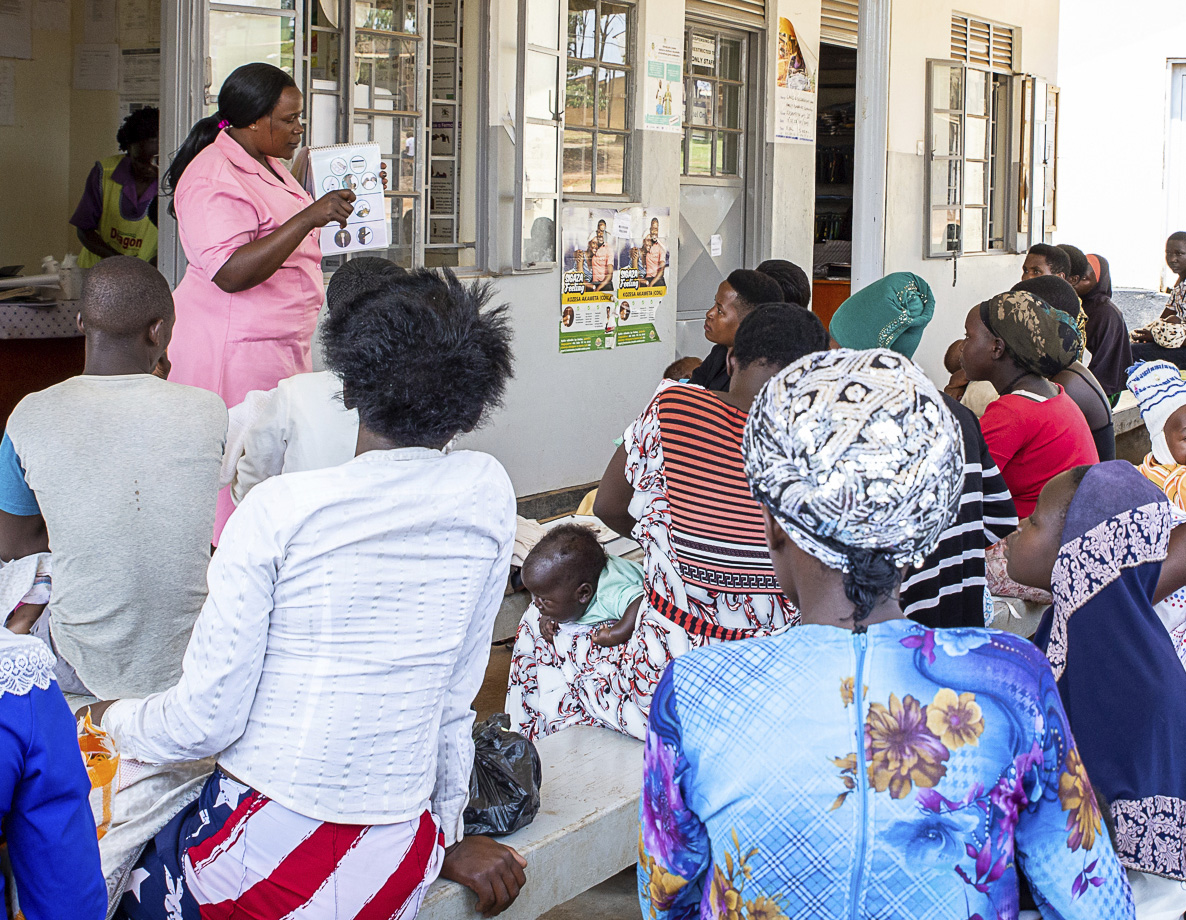
Kenya and Nigeria are proving that when care is designed around people, TB finds nowhere left to hide.
TB has a hiding place — and it’s not where most health systems are looking. Services aren’t designed around how people actually seek care, which means the people who most need screening are often the least likely to get it. In a displacement camp where clinics are scarce, getting to care can be impossible. In a rural health facility, a patient with a persistent cough may be tested for one condition and leave with three others undetected. Kenya and Nigeria are showing what becomes possible when countries decide to do things differently.
In both countries, programs are investing in integrated TB screening and moving beyond disease-specific models toward care that reaches more people in fewer visits. The result is not just a more efficient system, but earlier diagnosis, better access, and ultimately, better outcomes. Integration is not a universal prescription. For some populations, including key populations in the HIV response, where stigma and safety concerns can make dedicated services essential, vertical programming remains important. What Kenya and Nigeria demonstrate is something more specific: that for respiratory disease, and for communities that are already being missed, integration creates opportunities that neither approach could create alone.
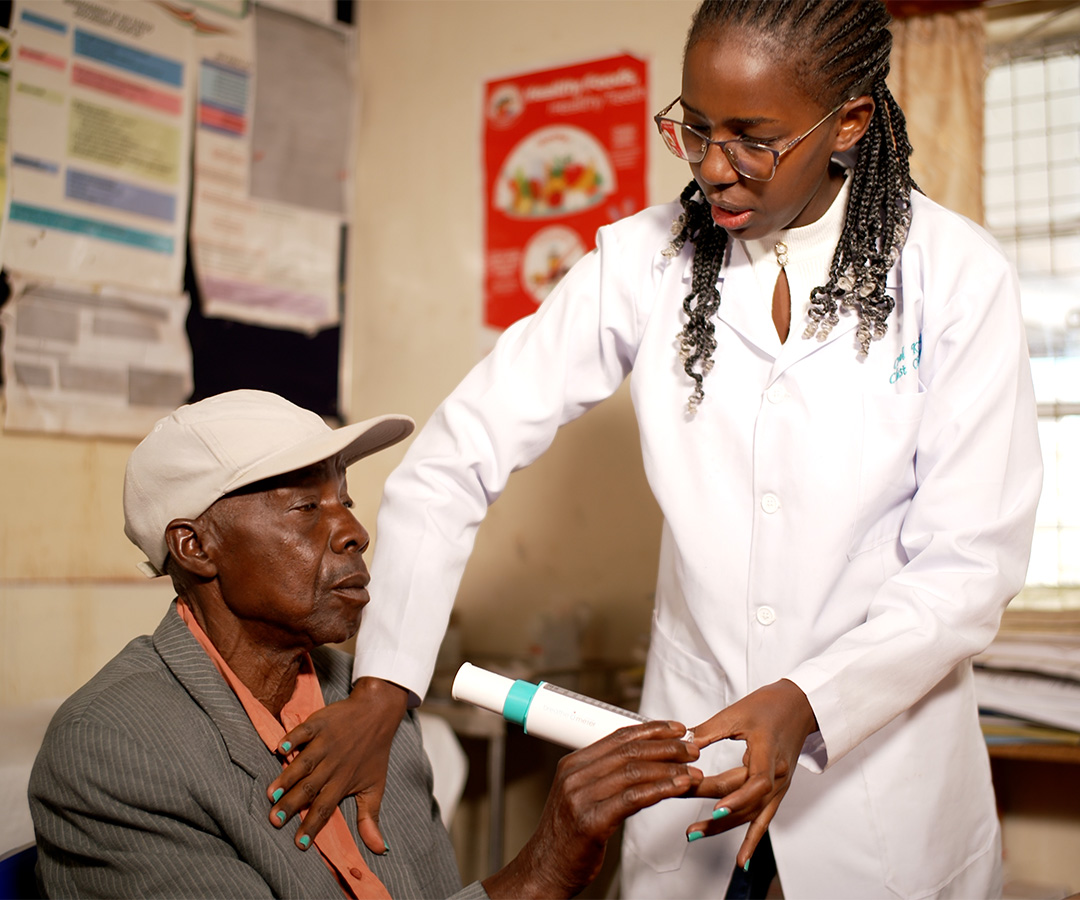
Kenya: Treating the whole lung, not just one disease
In Kenya, the Ministry of Health is taking on a problem familiar to anyone who has worked in TB: patients who test negative and get sent home, even when something is clearly still wrong.
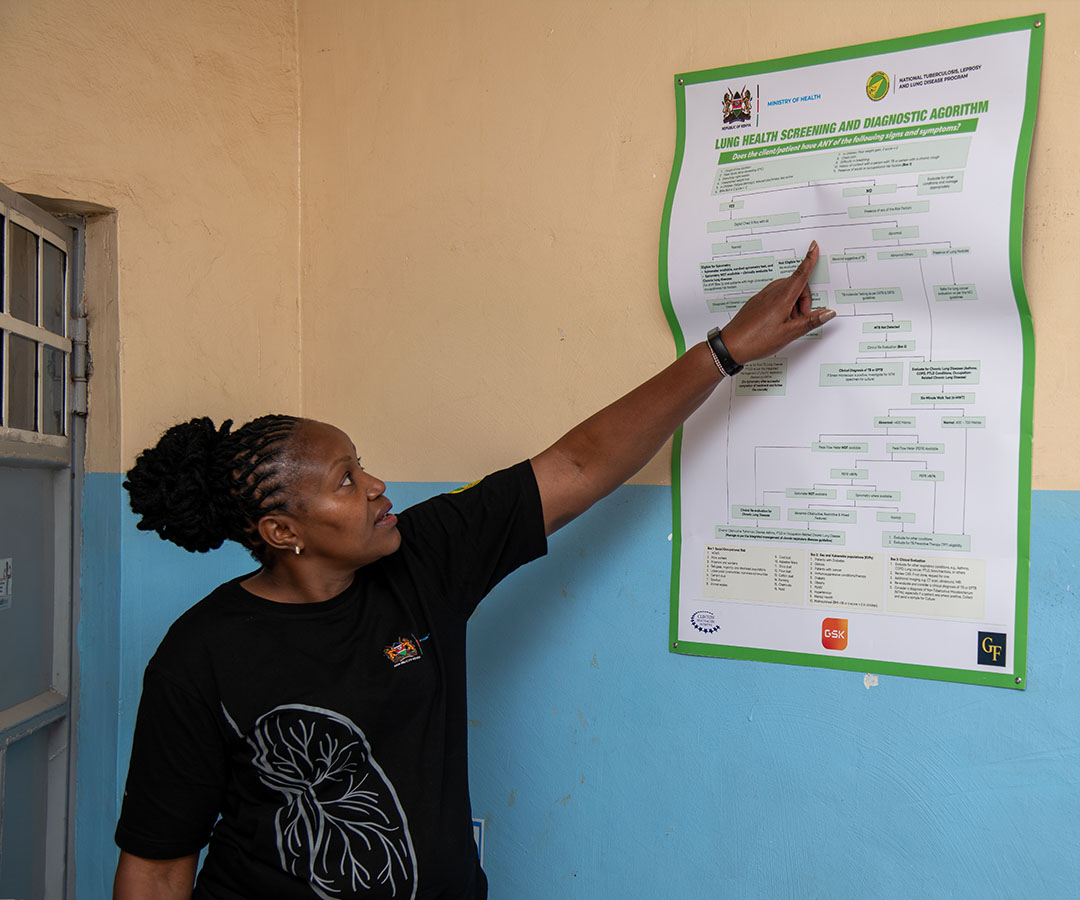
The Integrated Program on Asthma, COPD and TB (iPACT), supported by CHAI and funded by the Gates Foundation and GSK, brings integrated TB screening into a broader lung health framework—so that anyone presenting with breathing difficulties or a persistent cough gets a more complete picture of what might be causing it. Phase 1 was rolled out across Murang’a, Nairobi, and Nakuru counties; Phase 2 is now underway.
Rather than running separate programs for each condition, iPACT trains health workers to screen, diagnose, and manage TB, asthma, and COPD through a single care pathway. Over 1,000 healthcare workers across 350 facilities have been trained, alongside more than 700 community health workers sensitized on integrated lung health.
To sharpen diagnosis, facilities are using digital chest X-rays with AI-assisted reading alongside other tools to help clinicians tell apart conditions that often look the same on the surface. In settings where specialist radiologists are scarce or absent, AI-assisted interpretation delivers expert-level reading without the expert—closing a diagnostic gap that has long disadvantaged the communities these programs are designed to reach.
iPACT is challenging long-held assumptions about how much disease routine TB screening misses. More than one million people have now been screened. TB case detection has improved significantly: the program has identified 14,823 TB cases — driving a 12 percent increase in TB notifications in Nakuru and 7 percent in Murang’a. Alongside those TB cases, it has also uncovered 4,476 people with asthma, 1,278 with COPD, and 617 with lung fibrosis—conditions that would simply not have been found under a TB-only approach. A further 905 TB patients have been screened for lung damage after completing treatment.
As Kenya expands iPACT to an additional 15 counties, the program is demonstrating something important: ending TB requires health systems that can see and respond to the full picture of respiratory illness.
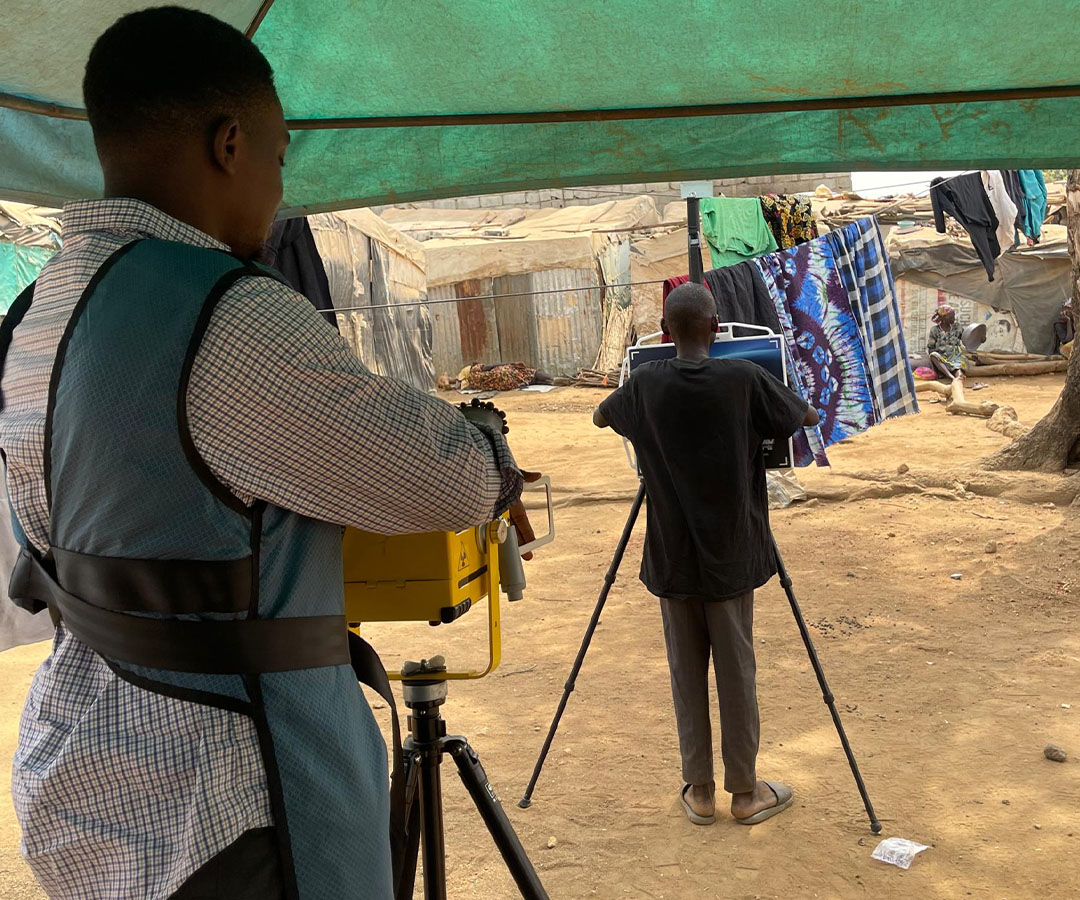
Nigeria: integrated TB screening takes the clinic to the camp
If Kenya shows what integrated TB screening looks like at the facility level, Nigeria shows what it looks like when there is no facility to go to.
Nigeria is home to approximately 2.3 million internally displaced people, the majority in the northeast—an area where, according to the UN’s 2025 Humanitarian Needs and Response Plan, 31 percent of health facilities are out of operation and ongoing conflict continues to strain an already stretched health system.
In these conditions, asking people to travel to a clinic is not realistic. The National TB and Leprosy Control Program (NTBLCP), with support from CHAI and, is doing the opposite: bringing care to where people are. Mobile outreach teams carry out active case finding for tuberculosis in internal displacement camps, offering TB screening alongside testing for HIV, malaria, hepatitis, and assessment for malnutrition — all in one visit. One interaction, multiple potential diagnoses.
One finding in particular stands out. More than 13 percent of the TB cases identified had no symptoms at all. These were people who felt well, would never have sought care, and would have gone on to unknowingly transmit the disease. They were found through digital chest X-rays with AI-assisted reading, which can catch what symptom-based screening cannot.
Across four camps, the results of this active case finding effort so far: 5,577 people screened; 144 TB cases found, every one of them started on treatment; a median of just one day between diagnosis and the first dose. Nearly all TB patients were also tested for HIV. Most people screened were also assessed for malnutrition and connected to nutritional support.
The model is not just improving TB case detection. It is demonstrating that a single visit—designed around what a community actually needs—can do the work of many.
A model worth replicating
Together, Kenya and Nigeria make a case that is hard to ignore: when TB service delivery is designed around people rather than individual diseases, you find more, you treat faster, and you uncover a burden that was always there but never visible.
What’s happening in both countries isn’t unique to their contexts—it’s practical and replicable. Integration won’t look the same everywhere, but the core principle holds: designing services around how people actually seek care finds more patients, sooner, and makes each interaction do more work. For national TB programs in other high-burden settings trying to close persistent gaps in case detection, the experience from Kenya and Nigeria offers a practical starting point.
CHAI’s TB team works with national TB programs and partners to design and implement integrated screening approaches. To explore what this could look like in your context, contact us at blen.kebede@clintonhealthaccess.org.